
Higher education institutions are increasingly relying on various EdTech tools and platforms. This surge in digital resources, while beneficial, often leads to a fragmented user experience due to multiple logins. Single Sign-On (SSO) offers a solution to streamline access and enhance security for both students and staff by addressing key issues, such as:
- The need for a unified access point.
- Reducing the number of credentials users must manage.
- Providing for smoother user experience.
Understanding SSO in Higher Education

What is Single Sign-On?
Single Sign-On (SSO) simplifies authentication by allowing users to access multiple applications and services with a single set of login credentials. This eliminates the need to manage different usernames and passwords, and provides several benefits, such as allowing users to authenticate just one time to access all necessary resources.
Importance of SSO for Schools
Implementing SSO for schools is crucial for improving user experience and strengthening cybersecurity. SSO reduces password resets and streamlines user access to learning tools, ultimately improving efficiency and satisfaction for students and staff.
How SSO Works in EdTech
In EdTech, an SSO solution works by centralizing the authentication process. When a user attempts to access an EdTech application, the system redirects the authentication request to the SSO provider. Once the user is authenticated, the SSO solution grants access to the requested application, such as an LMS, without requiring the user to enter login credentials again, enabling seamless LMS integrations.
Implementation of SSO in Colleges and Universities

Steps to Implement SSO
To implement SSO in colleges and universities, the first step is to choose an SSO system that integrates well with existing infrastructure and supports the required EdTech applications. It involves integrating the SSO solution with the institution’s directory service, configuring security policies, and conducting thorough testing to ensure seamless user access.
Challenges in SSO Implementation
Implementing SSO can present challenges, particularly when integrating with legacy systems that do not support modern authentication protocols like OAuth. Additionally, ensuring that all EdTech applications properly support SSO and maintaining a consistent user experience across different platforms can be complex. Addressing these issues is critical for a successful SSO implementation.
Best Practices for SSO Integration
To ensure a smooth and secure SSO integration, several key steps should be taken. These include:
- Conducting a comprehensive assessment of existing systems.
- Implementing multi-factor authentication (MFA) to strengthen security.
- Providing clear documentation and training for users.
Furthermore, regularly reviewing security policies, monitoring for unauthorized access, and planning for disaster recovery are also essential for maintaining a secure and reliable SSO environment.
Benefits of Single Sign-On for Students and Staff

Simplifying Login Processes
The primary benefit of single sign-on (SSO) for students and staff is that it can simplify the login process significantly. With SSO, students and teachers no longer need to manage multiple logins or remember countless passwords for different EdTech tools. This streamlined user experience saves time and reduces frustration, making it easier for everyone to access the resources they need.
Strengthening Security with MFA
Implementing SSO can also strengthen security through multi-factor authentication (MFA). When integrating an SSO solution with MFA, institutions add an extra layer of protection to the authentication process. By requiring users to verify their identity through multiple methods, such as a password and a mobile device, MFA makes it much harder for unauthorized access to occur, even if a password is compromised. Modern SSO should also include MFA.
Reducing Forgotten Passwords
Single sign-on (SSO) dramatically reduces the number of forgotten passwords and password resets. Since students and staff only need to remember one set of login credentials, the chances of forgetting their password decrease significantly. This not only saves time for users but also reduces the burden on IT support, as there are fewer password-related issues to resolve.
Identity and Access Management in Higher Ed

Role of Identity Management in SSO
Identity and access management (IAM) plays a crucial role in SSO. IAM systems manage user identities and control user access to various resources. When integrated with an SSO solution, IAM ensures that only authorized users can access specific EdTech applications and data. This integration enhances security and streamlines the authentication process, offering more secure access.
Access Management for Learning Tools
Access management is essential for controlling who can access learning tools and resources in higher ed. With SSO in place, institutions can easily manage and monitor user access to different EdTech platforms, ensuring that sensitive data is protected and only accessible to authorized personnel. This also allows for better tracking of user activity and compliance with data privacy regulations. Access management is key for LMS integrations.
Managing Multiple Logins Effectively
SSO effectively manages the problem of multiple logins, a common challenge in higher education. By providing a single set of login credentials, SSO eliminates the need for users to juggle multiple usernames and passwords. This streamlines the user experience, reduces password fatigue, and simplifies the authentication process, making it easier for students and staff to access the learning tools they need. A single sign reduces risk of security risks.
Future Trends in EdTech SSO
Advancements in SSO Technology
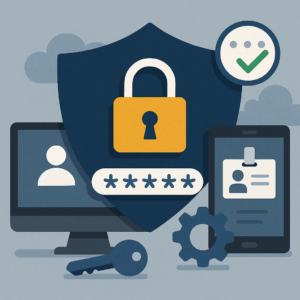
Advancements in SSO technology promise to further simplify the login process and enhance the user experience. Innovations like biometric authentication and adaptive authentication are expected to provide more secure access and seamless integration with EdTech platforms. These modern SSO systems will offer students and staff a more intuitive and streamlined way to access learning tools and other resources, reducing multiple logins and improving overall efficiency and strengthening cybersecurity.
Potential for SaaS Integration
The potential for SaaS integration with SSO solutions is vast, allowing colleges and universities to seamlessly incorporate a wide range of cloud-based EdTech tools into their existing infrastructure. By leveraging SSO, institutions can ensure that students and staff have a unified way to access all their necessary applications through a single portal, enhancing usability and reducing the risk of security risks associated with managing multiple logins and usernames.
Impact on the Higher Ed Landscape
The impact of SSO on the higher ed landscape is poised to be transformative, as more institutions adopt SSO solutions to enhance security and simplify user access. By enabling single sign-on for education, colleges and universities can improve the login process for staff and students, reduce IT support costs associated with forgotten passwords, and foster more efficient and secure access to learning tools and learning management systems. SSO will allow for better LMS integrations.
Conclusion

Summary
In summary, single sign-on offers a powerful solution to address the challenges of multiple logins and fragmented user access in higher ed. By implementing SSO, institutions can simplify the login process, strengthen cybersecurity, and enhance the overall user experience for students and staff. SSO also reduces the frequency of password resets and improves security policies across colleges and universities.
How UberEther Can Help Higher Ed Implement SSO
UberEther specializes in helping higher ed institutions implement identity and access management strategies, including SSO solutions tailored to their specific needs. From assisting in choosing an SSO system to managing integration with existing directories and EdTech platforms, UberEther provides comprehensive support to ensure a seamless transition. If you’re interested in securing your educational institution, get in touch with us today to see how we can help.